Travels across the real and theoretical land surface.
I have had the tremendous good fortune of living in many interesting places and to have encountered more than my fair share of wonderful and thoughtful scientists along the way. This is the story so far (abbreviated here).
Northumberland, UK
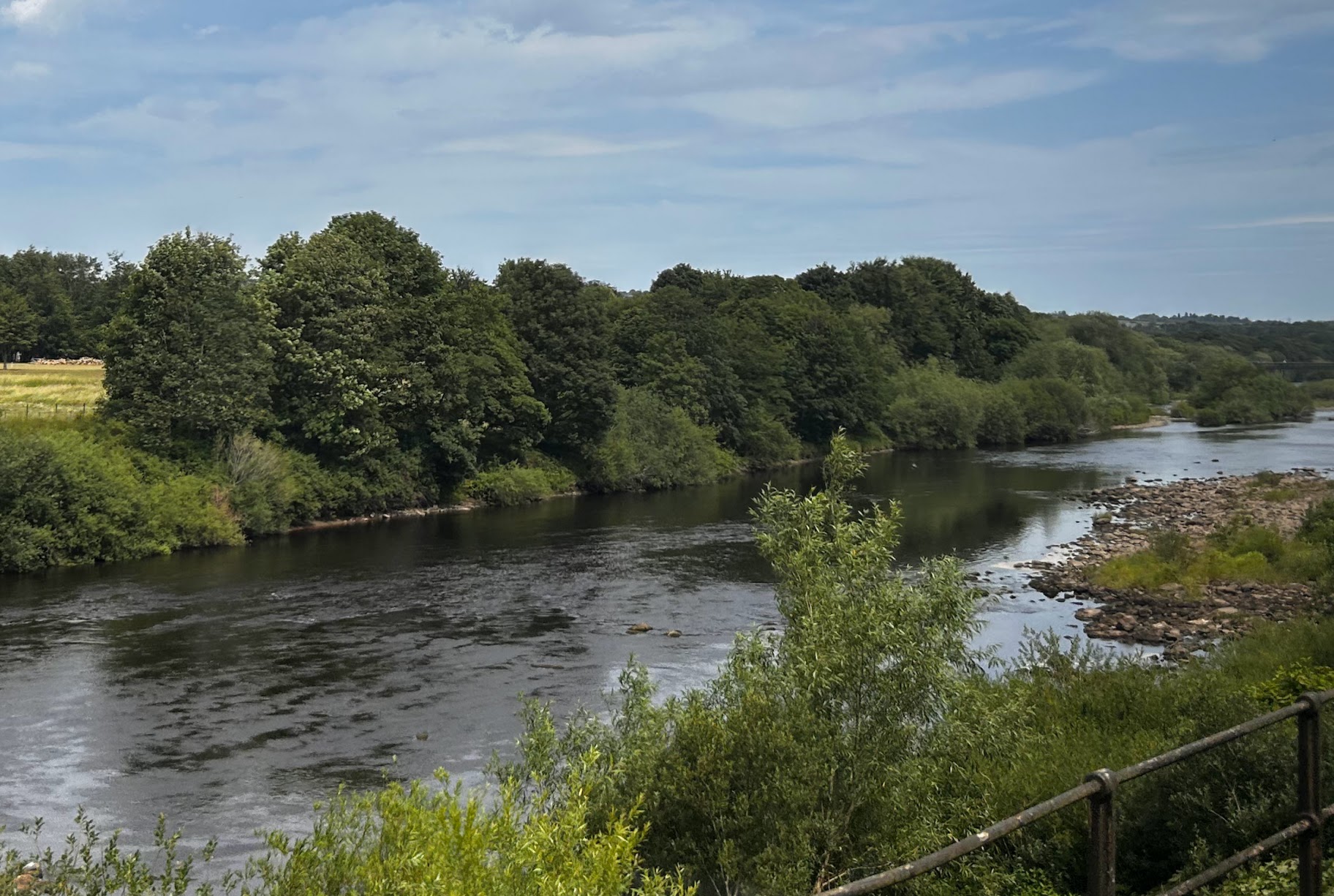
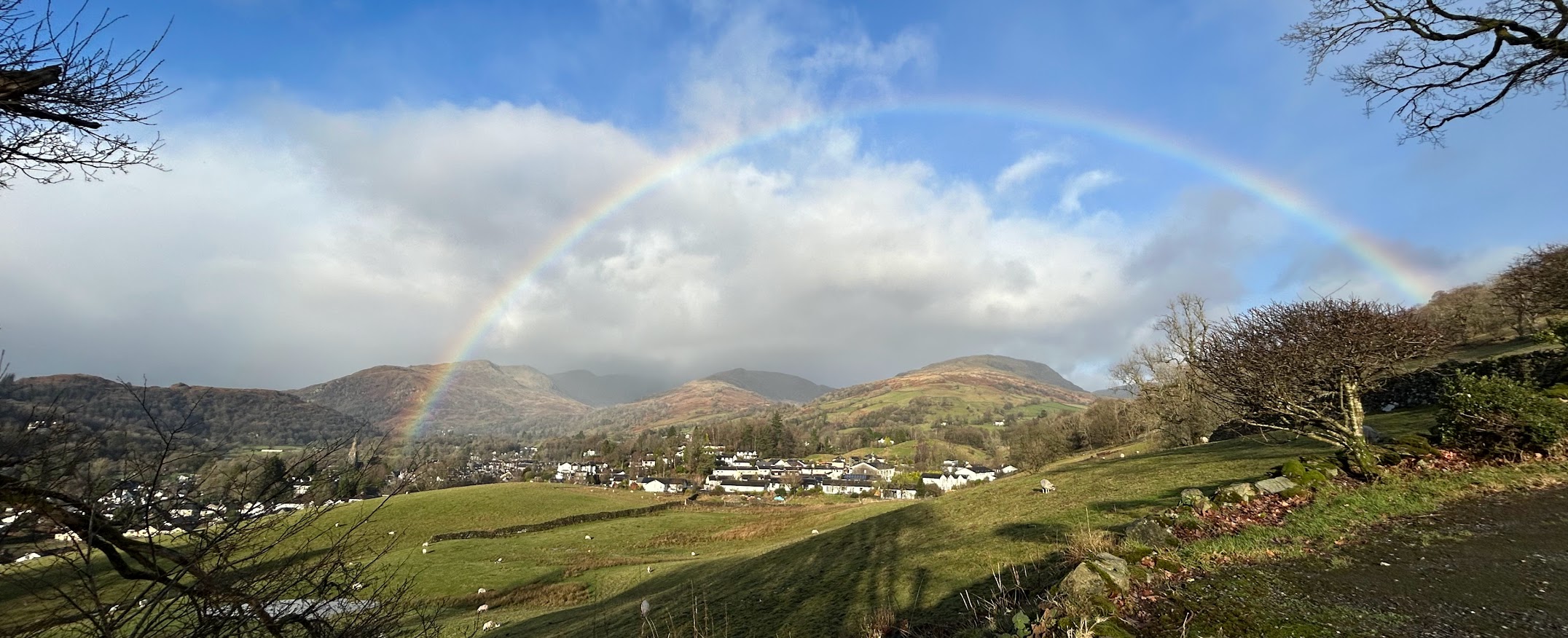
I grew up in the lovely county of Northumberland in northeast England. My dad (who taught and researched urban redvelopment) was an early enthusiast of what we now call “rewilding”, and I spent much of my childhood watching plants do battle to colonize the tangled garden behind our house, or exploring the hills in the nearby Lake District. At school I became fascinated by the successional ecophysiology of sand dunes — particularly how early succesional plants not only create increasingly fertile conditions for their own competitors, but also play a part in reshaping the land itself.
Oxford, UK
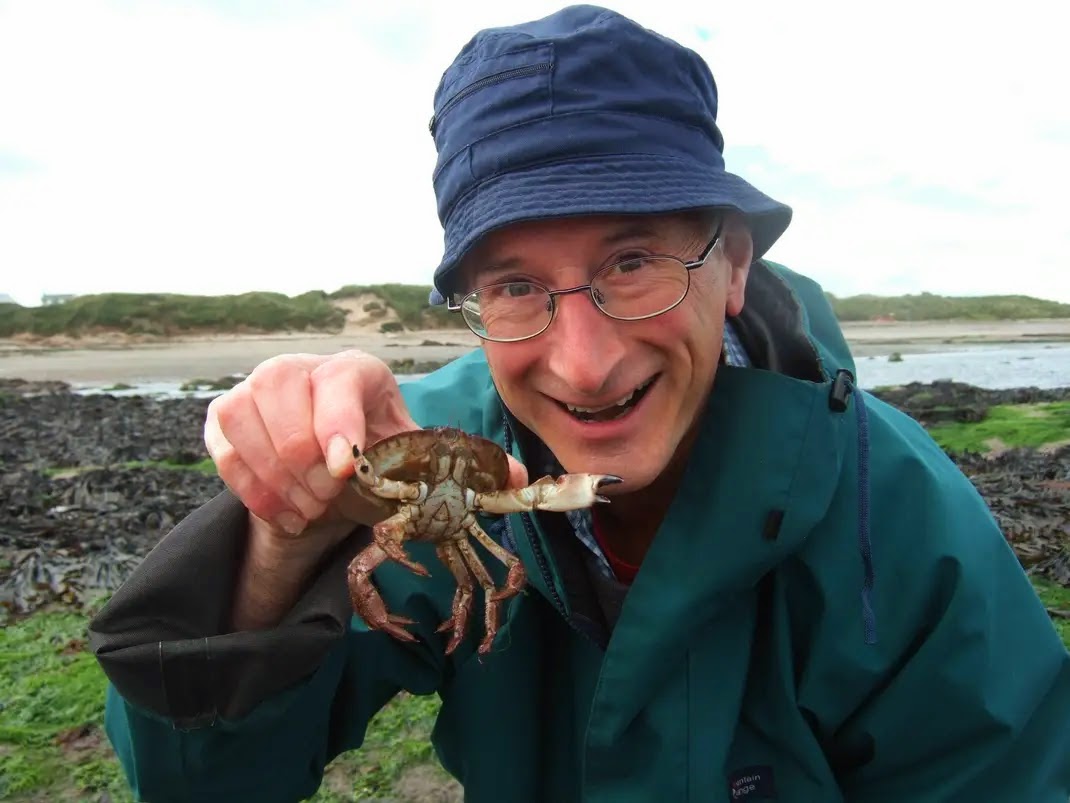
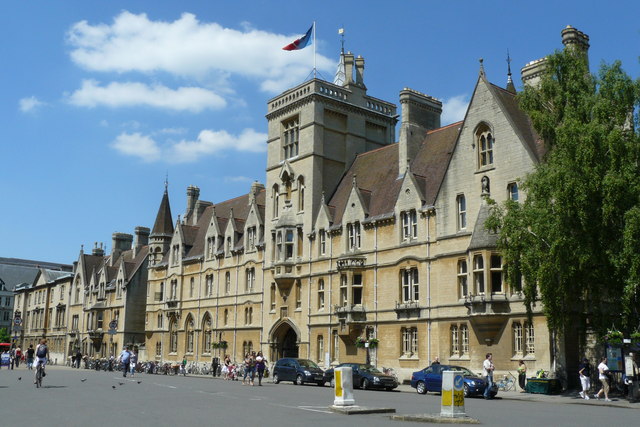
I studied Biological Sciences at Oxford University) where my mentor, Myles Axton, triggered my interest in complex systems theory and dynamics systems modeling. After graduating, I received a Coolidge scholarship to travel to the US. A chance visit on that trip to stay with ice modeller Bill Lipscomb (who is now my colleague), introduced to me the concept of climate models, and this helped solidify the idea that helping to predict how plants affect the functioning of the Earth system was the path I needed to follow.
Edinburgh, UK
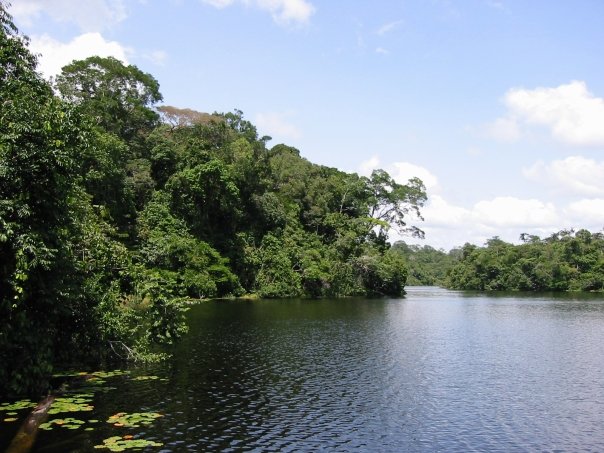
I did my graduate studies in Edinburgh, which then and now had a very large cluster of scientists working on ecophysiological research and the functioning of the biosphere in the Earth system. I was fortunate enough to find three wonderful PhD advisors, Mat Williams, Patrick Meir and Yadvinder Malhi, with whom I worked using ecohydrological theory and observations to understand how the Amazon rainforest might respond to forseen droughts. Our experiment at Caxiuanã became the world’s longest-running ecosystem drought experiment (finally ending in 2024!) and has been used as a a reference dataset to test drought stress physiology in many land surface schemes.
Sheffield, UK
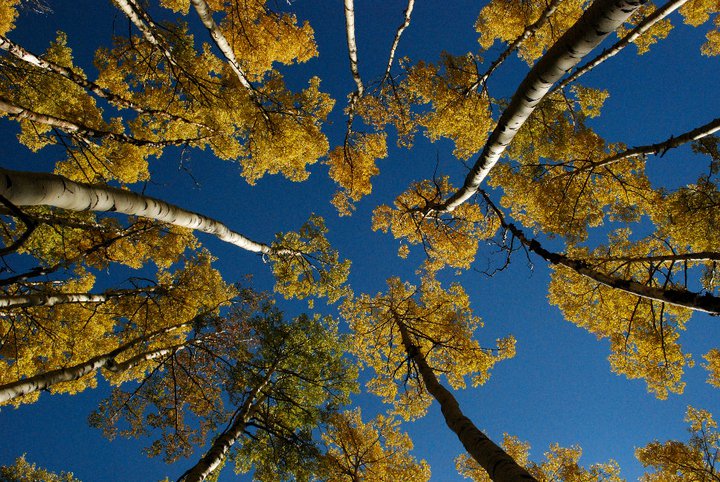
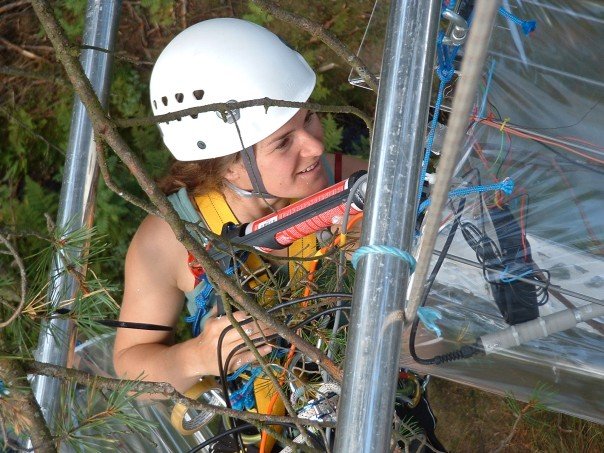
After my PhD — and a short postdoc climbing trees with Maurizio Mencuccini and Jordi Martínez Vilalta — I moved to Sheffield to work on a project co-led by several of the pioneers of the first global vegetation models (Peter Cox, Colin Prentice, Ian Woodward, and Stephen Sitch). The idea was that since their inception, a lack of representation of plant ecology (growth, competition, succesion and mortality) has limited the ability of these models to act as useful ‘digital twins’ of the terrestrial biosphere. To correct this, I began implementing the Ecosystem Demography (ED) concept in to the land-surface scheme of the UK Met Office climate model. I established collaborations with Paul Moorcroft at Harvard, and Drew Purves at Microsoft Research, whose ideas on canopy self-organization and ecosystem assembly I fused into the ED model to assist with the problem of maintenaning plant functional diversity in one-dimensional models. This early work on Ecosystem Demography was foundational to much of the rest of my research career.
New Mexico, USA
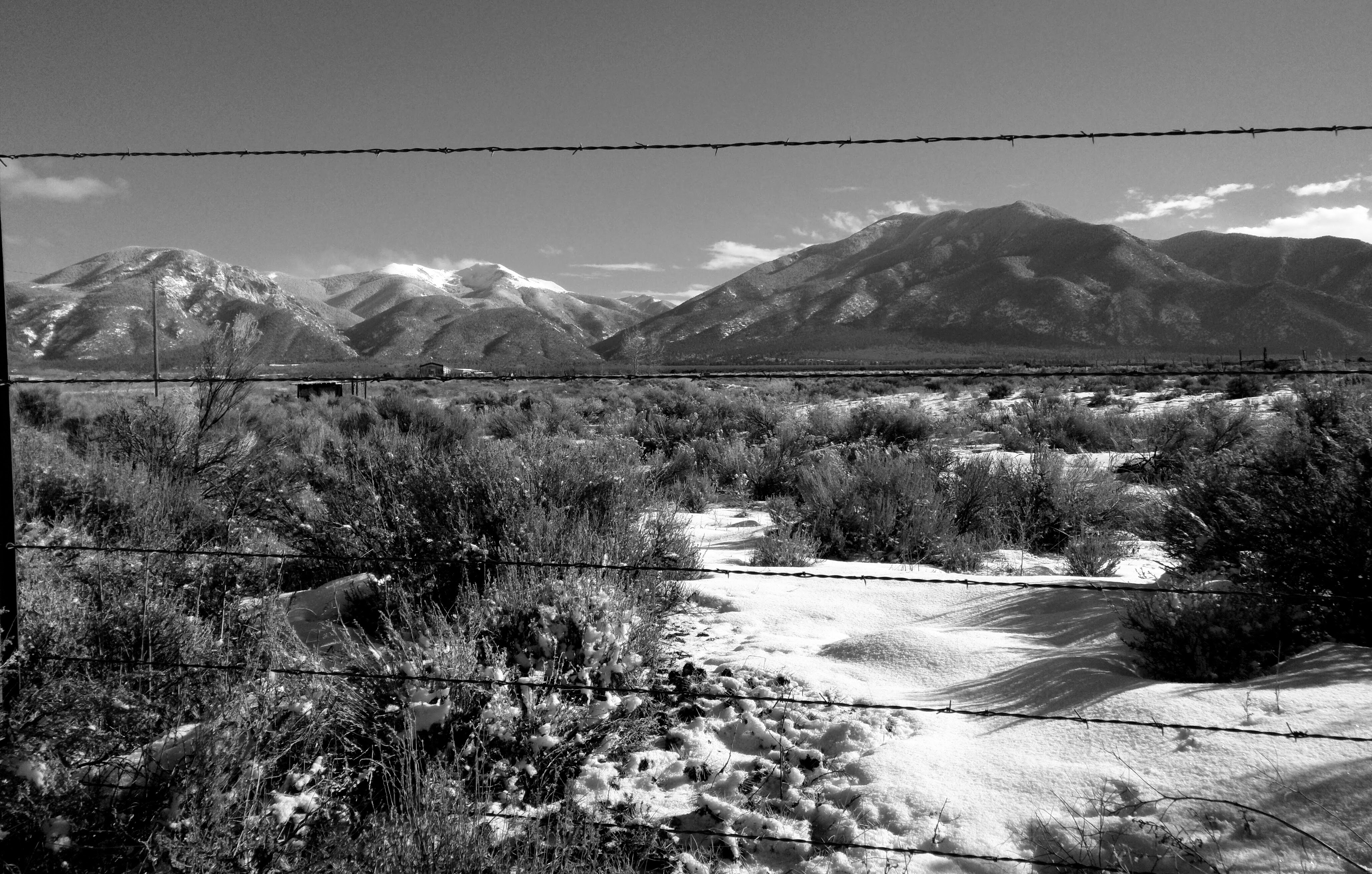
Models of vegetation dynamics typically have very simplified models of plant mortality (how plants die), and do not reflect emerging understanding of how plants move water and regulate water loss while still taking up carbon for growth. In 2008, Nate McDowell at Los Alamos National Laboratory published an influential framework for understanding drought-induced plant mortality and the trade-offs between hydraulic failure and carbon starvation. In 2009, I moved to Santa Fe, NM, and worked with Nate on developing data–model systems capable of testing these ideas -and integrating them into Earth System Models, using his drought experiments in the New Mexican desert.
Colorado, USA
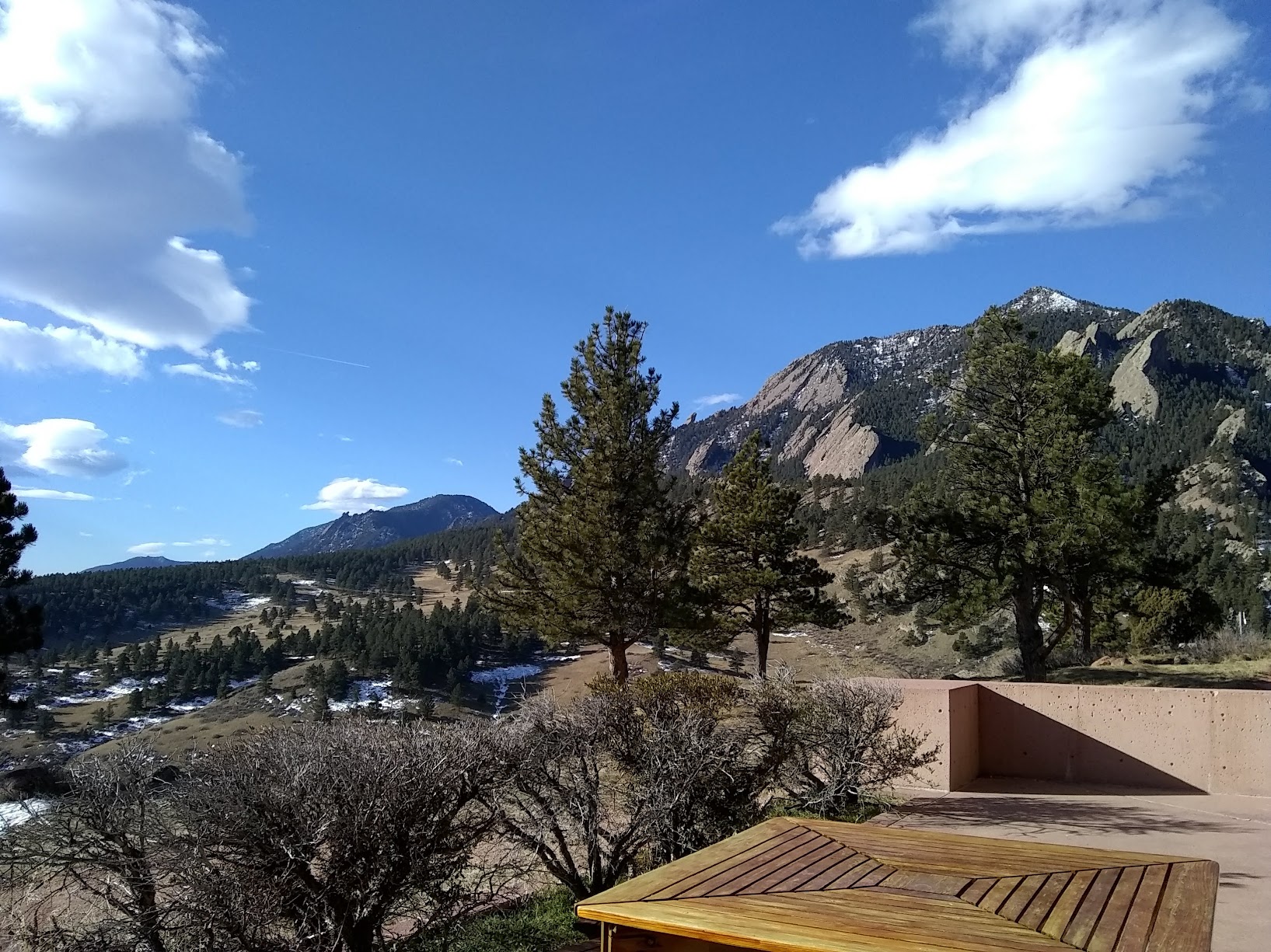
In 2010 I moved to Boulder, Colorado to work as a staff scientist in the Terrestrial Sciences Section at the beautiful National Centre for Atmospheric Research. Developing complex models of the Earth system is urgent, but how the biosphere of the Earth interacts with its climate is densely complex and interdisciplinary problem. It is imperative that we create strong and cooperative links to do this. My role at NCAR was to develop the vegetation representation in the flagship Community Land Model, integrating scientific advances from across ecosystem science.
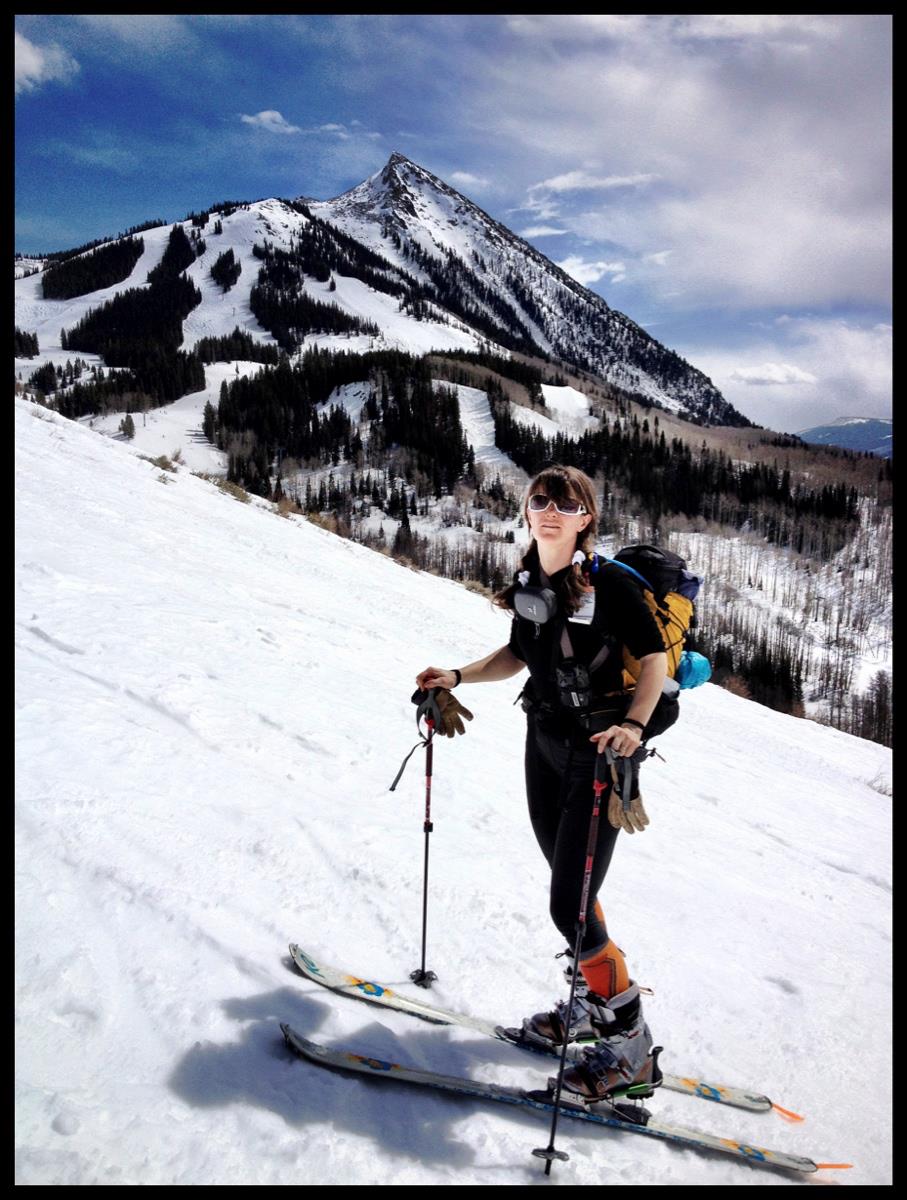

For the early part of my time at NCAR I focused on adapting the CLM code to integrate the ecosystem demography concepts I had worked on previously. Based on this foundation, in 2014, the US Dept. of Energy decided to start a decade-long investment in the development of what is now the FATES (Functionally Assembled Terrestrial Ecosystem Simulator) model via the NGEE-tropics project, greatly expanding the collaborative networks around and capabilities of the model, and bringing in Charlie Koven as the co-leader of the FATES activity.
Prior to the CMIP6 release of the Community Earth System Model (CESM2). I focused on both integrating a new representation of and nitrogen cycling and then leading the vegetation calibration effort for the release version of the CLM5, which is the land surface scheme of at last three Earth system modeling centers and is the basis of a huge array of impacts assessments.
Toulouse, France
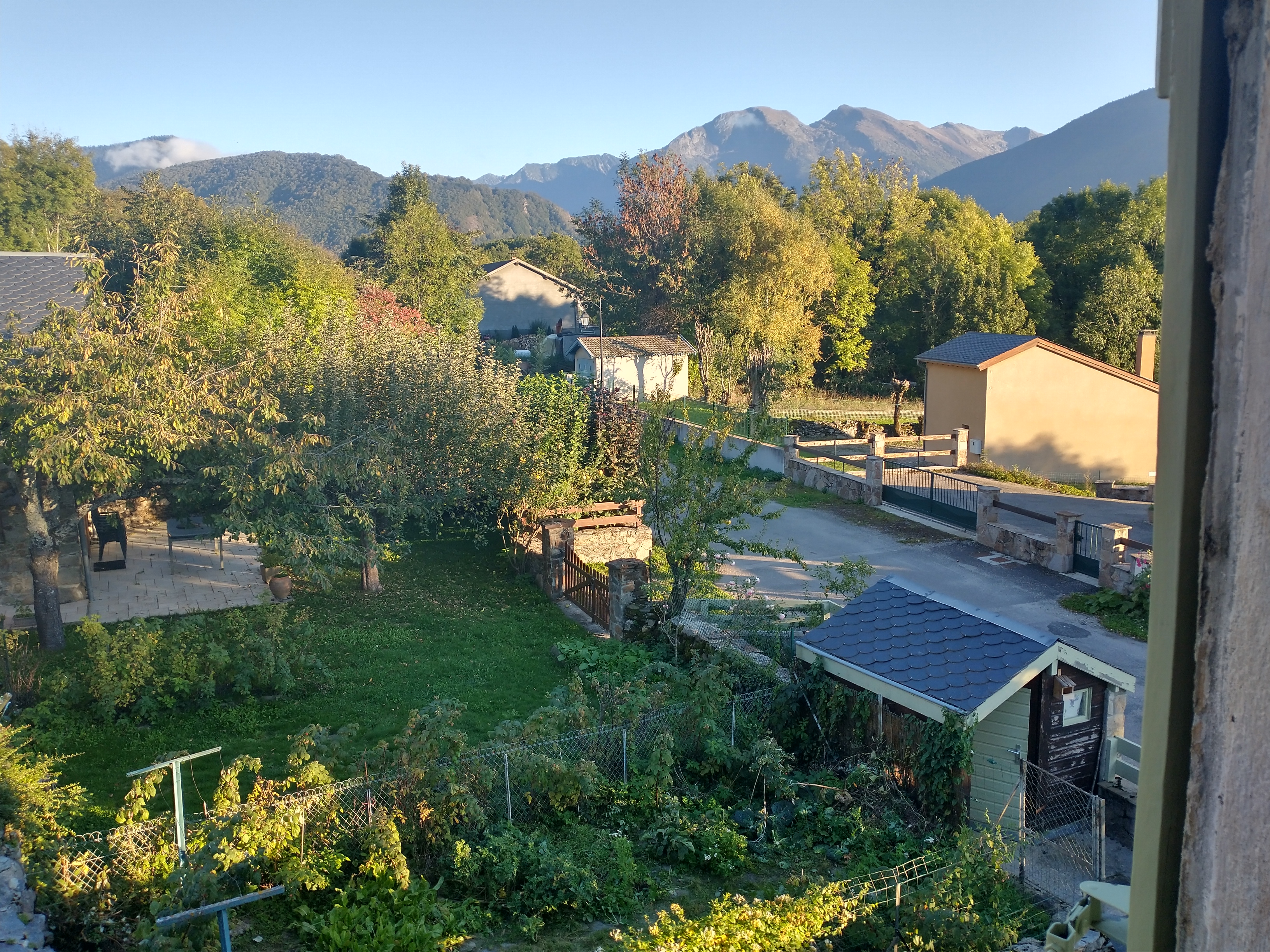
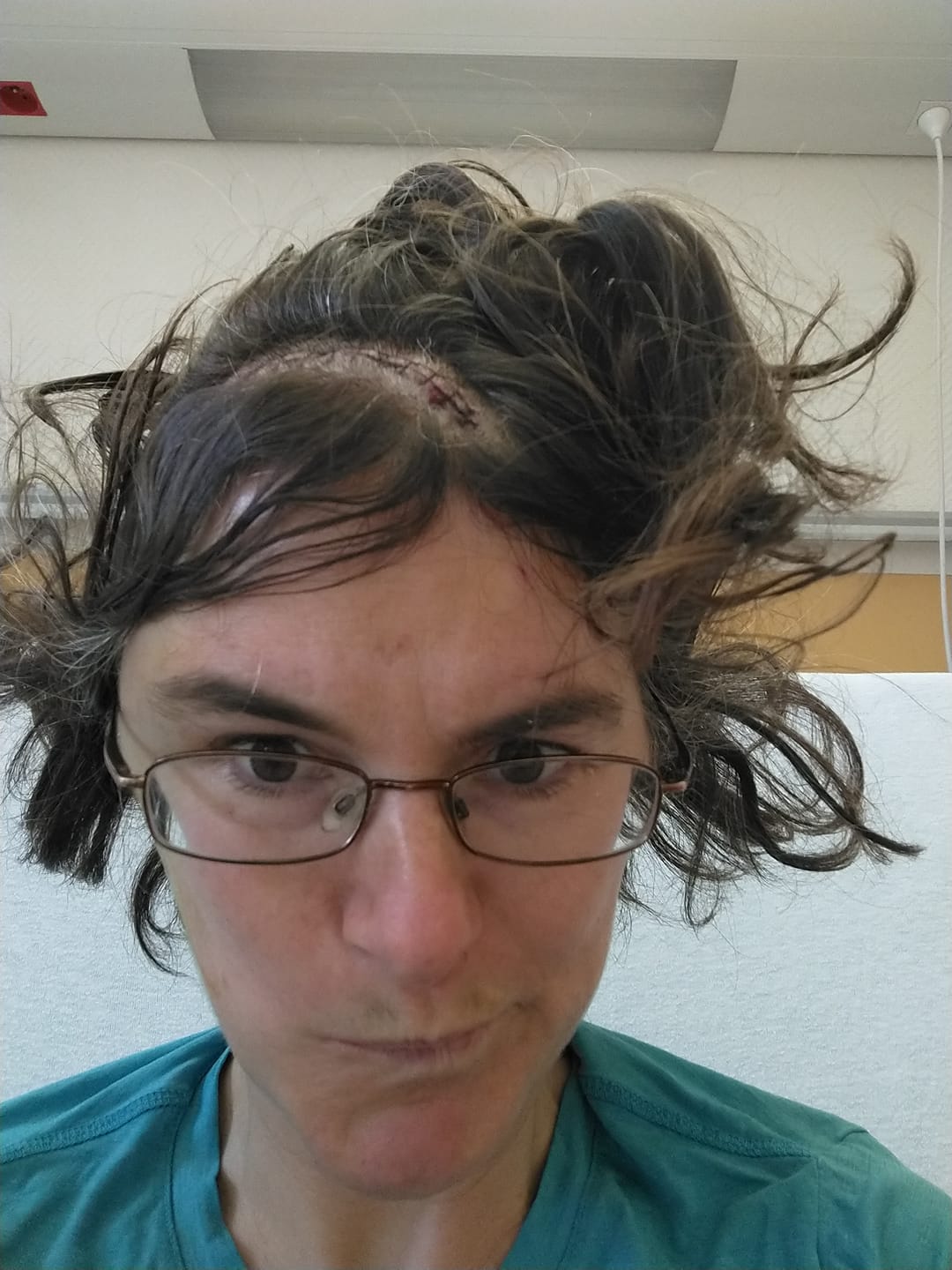
In 2018, following the birth of our son and other events, we felt the pull of family ties and moved back to Europe. My husband Ben was awarded a ‘Make Our Planet Great Again’ fellowship at CERFACS, on the Meteo France campus in Toulouse, France. Just after we had settled in from the chaos of moving, COVID19 began, and before it was over, I had to have major brain surgery, so this was a quite turbulent time. Nonetheless, I had also began advising the EMERALD project in Oslo (that was inspired by a book written my colleague Dave Beerling from Sheffield). Ultimately, the connection with this emerging group of CLM-FATES collaborators) drew me to Norway, while Ben’s connection to Glen Peters, helped lead us to CICERO in 2021.

Oslo, Norway
Since arriving in Norway, I have worked with an expanding network of colleagues on strengthening the Norwegian land modeling team, and especially on linking CLM-FATES with the Norwegian Earth System Model (NorESM). We have built a strong collaborative development network focused on the calibration of the global implementation of CLM-FATES. As a result of our efforts, NorESM will be the first ESM to include FATES for coupled Earth system experiments (CMIP7) and the operational, direct coupling of size-and-age-structured vegetation dynamics within a fully interactive climate system, opens up a huge array of potential research directions.
As evidenced by the above, this has been an eventful journey. But I am excited for all the new opportunities that linking ecological principles to the physics of Earth system will provide for understanding the possible futures of the biosphere and the consequences and potential of human influence over it.
Personal
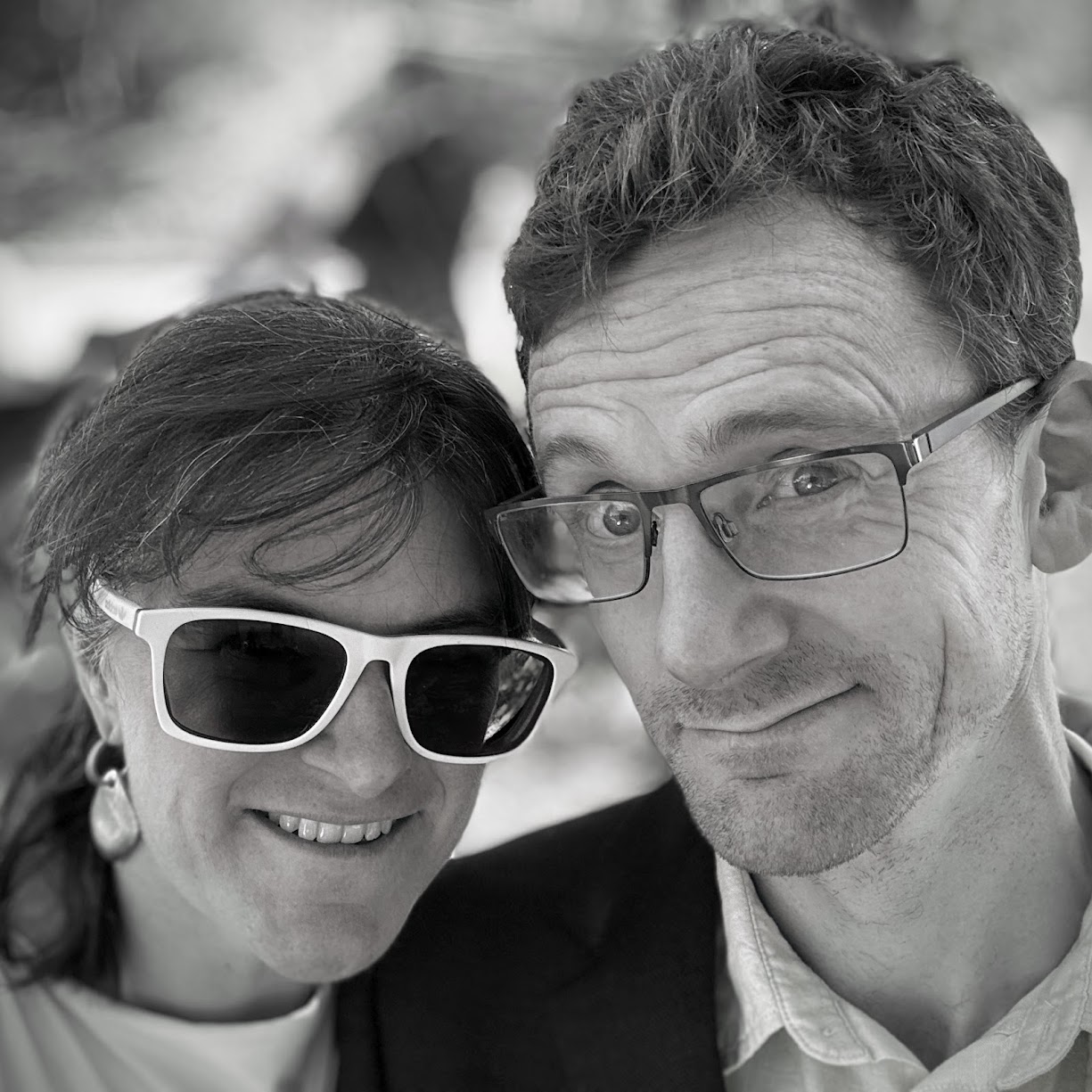
In 2015, Ben Sanderson (who is also a climate scientist at CICERO) and I got married in the College Valley in Northumberland National Park. After many moves, we now live on the side of a hill in Western Oslo with our son and a huge Norwegian cat called Angus.

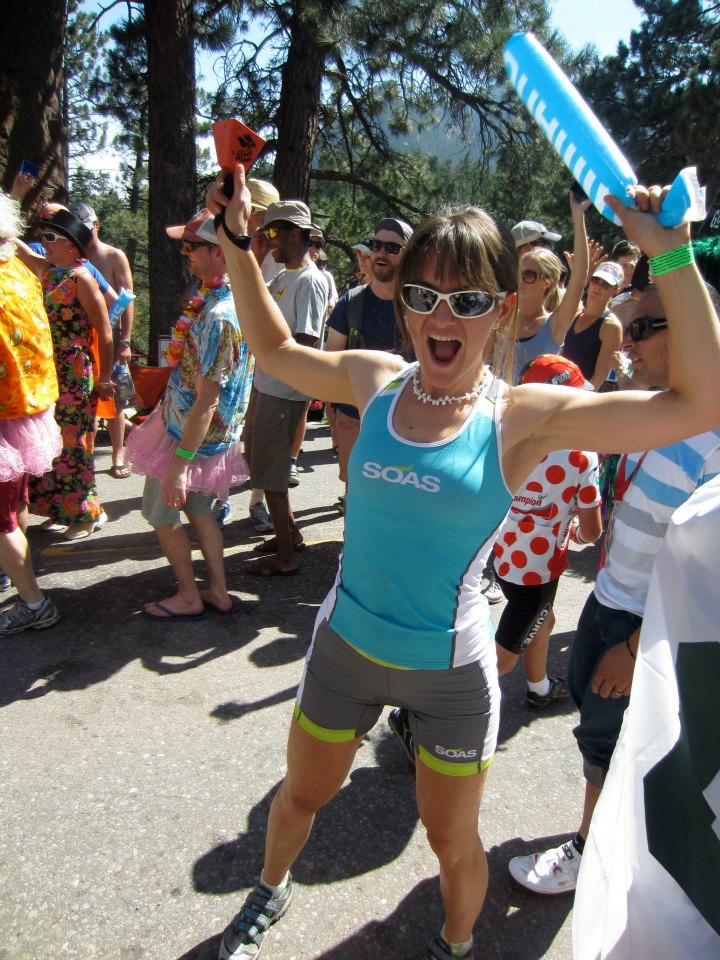
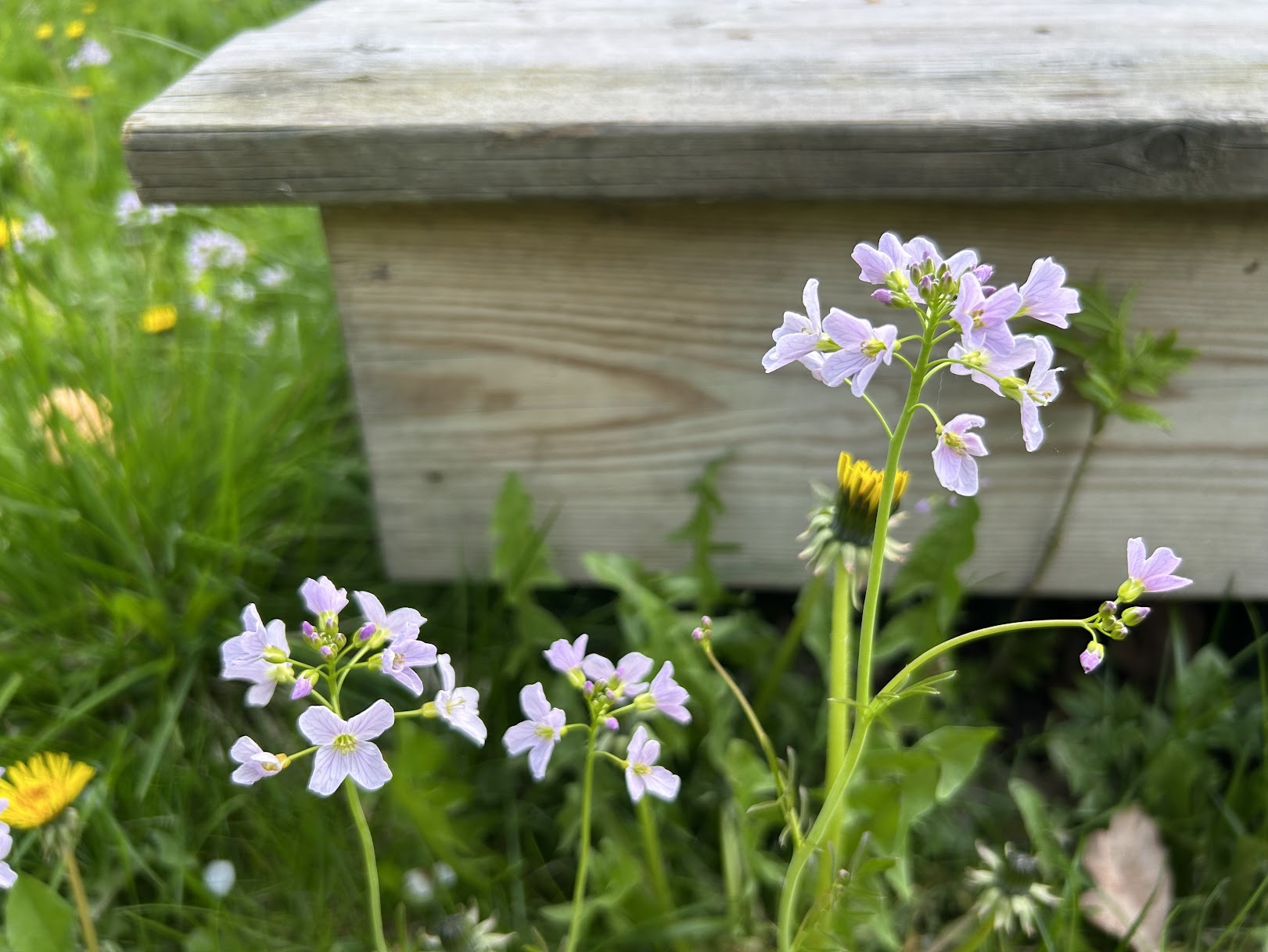
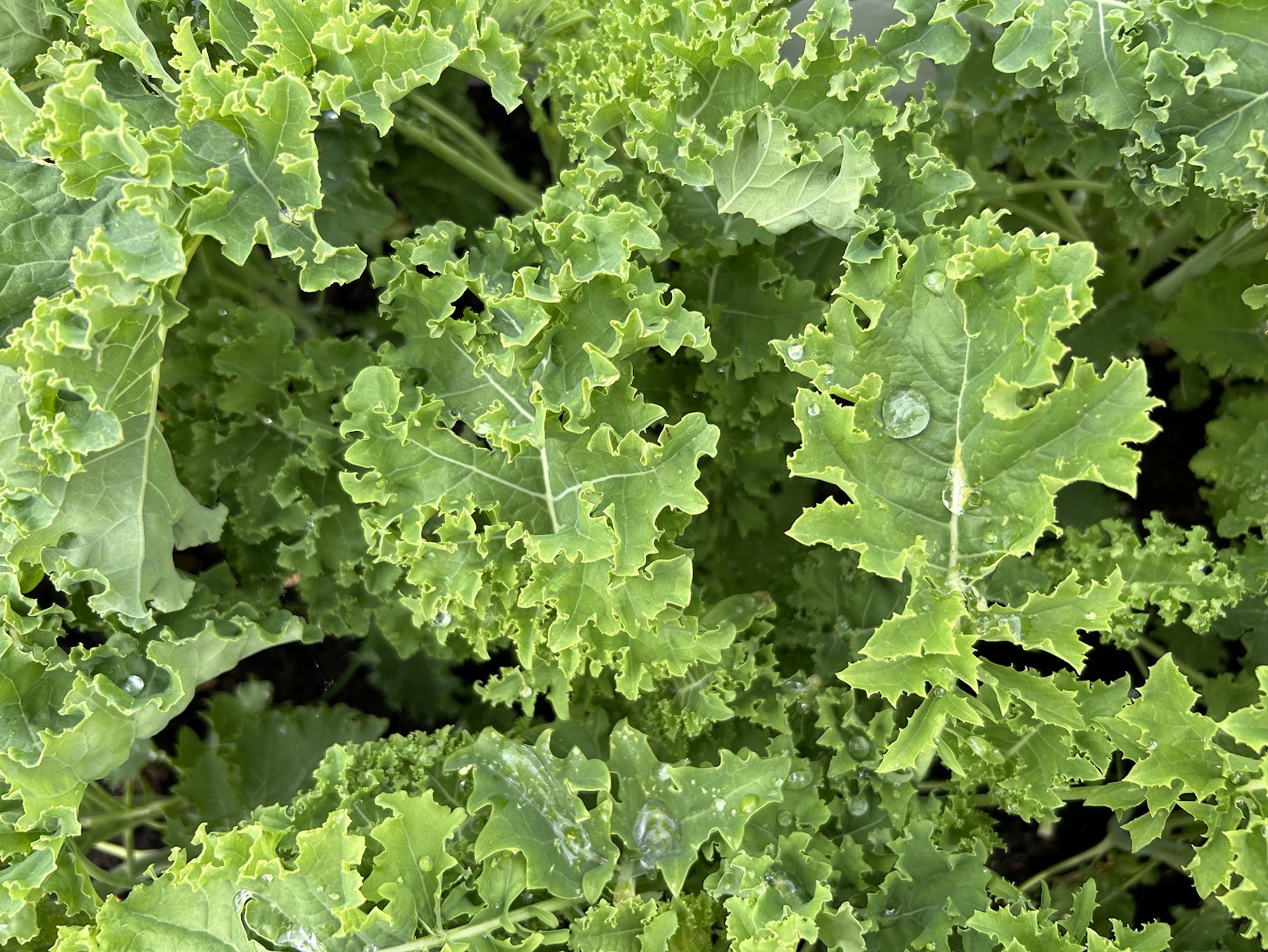
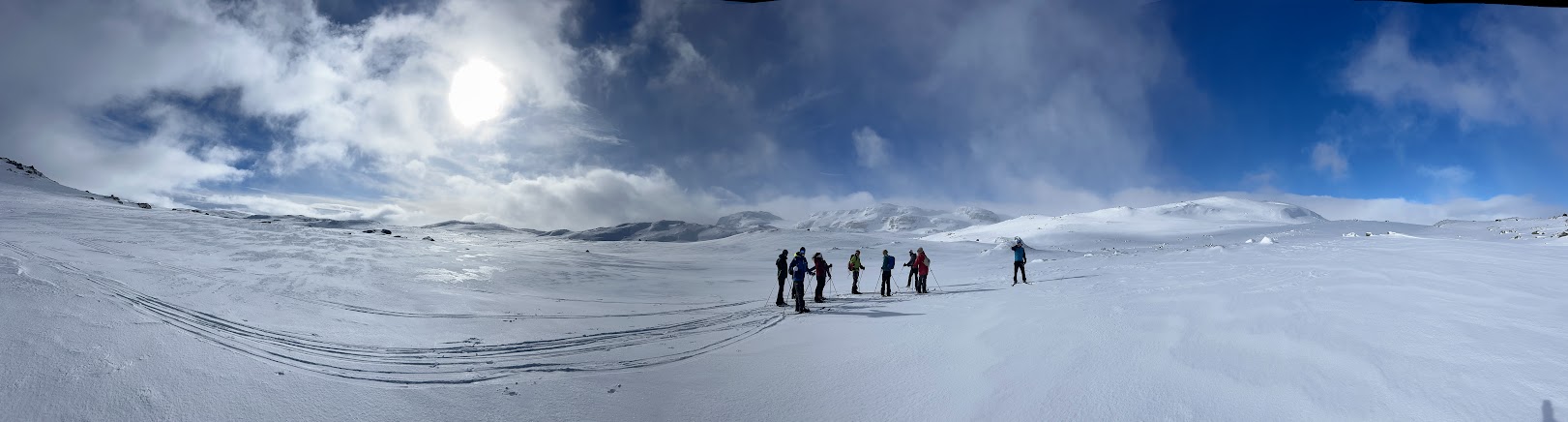
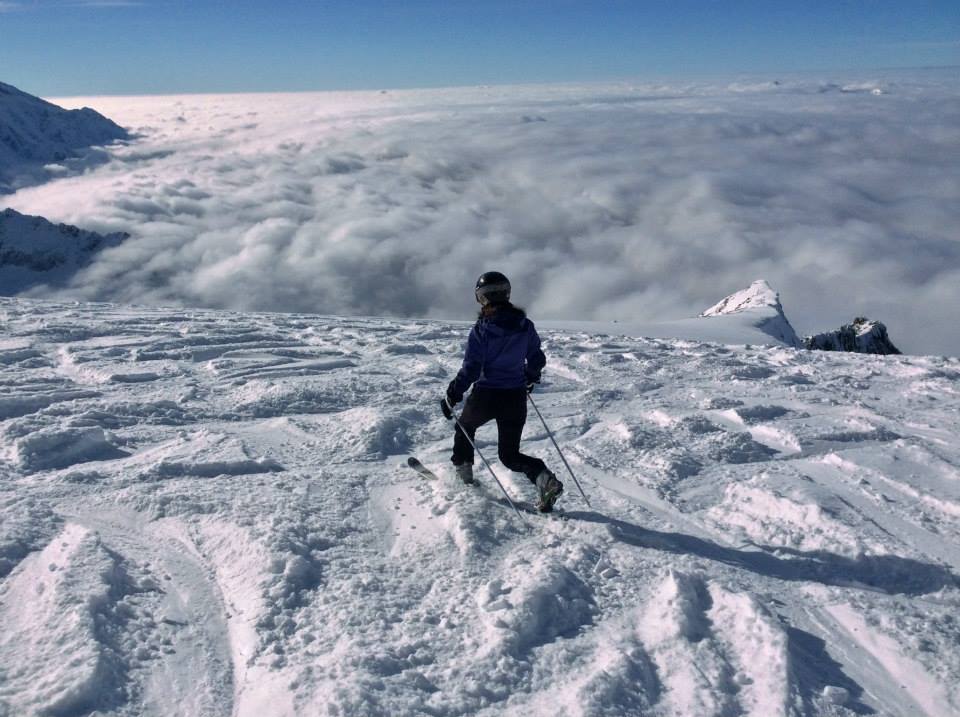
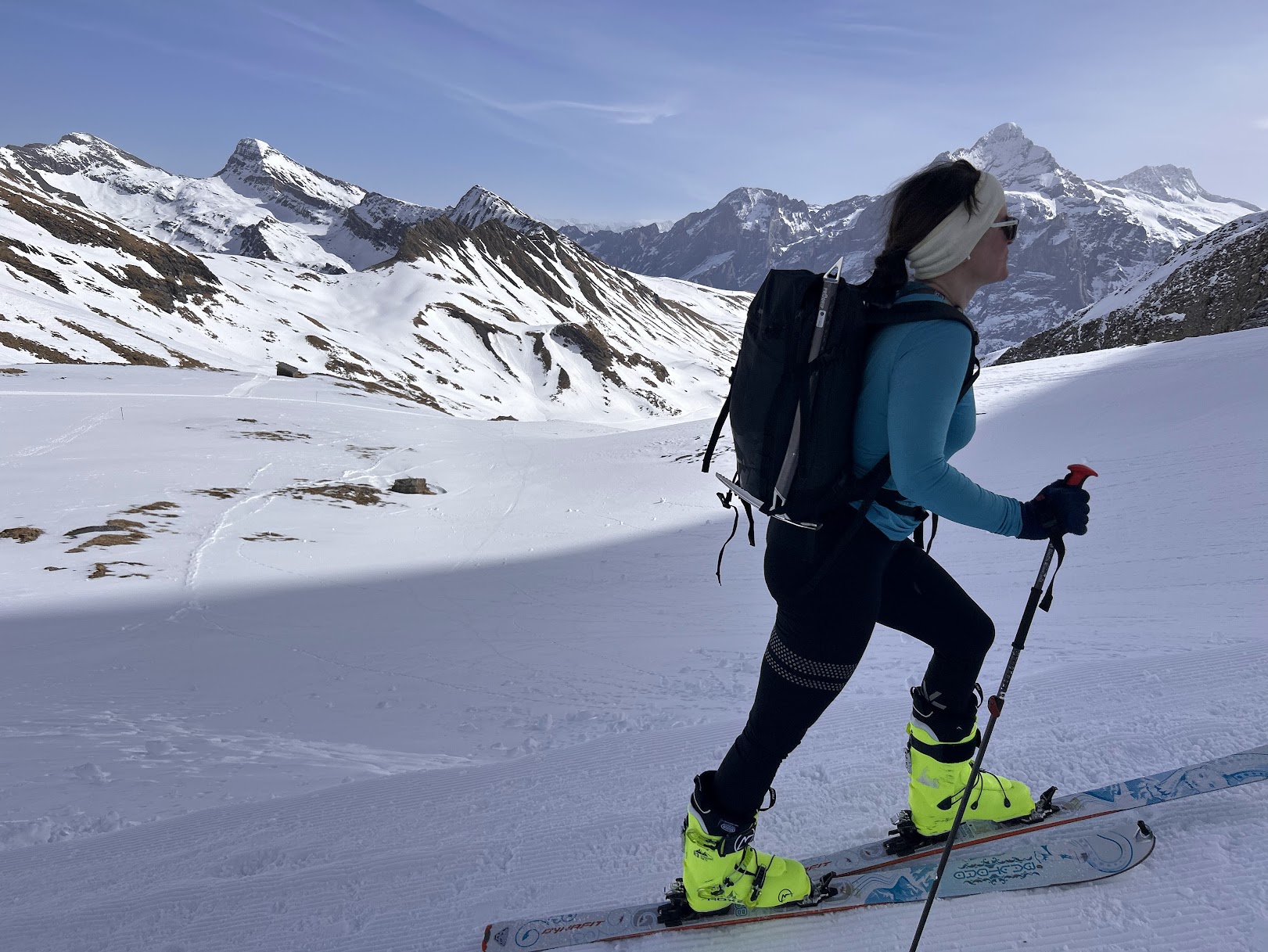
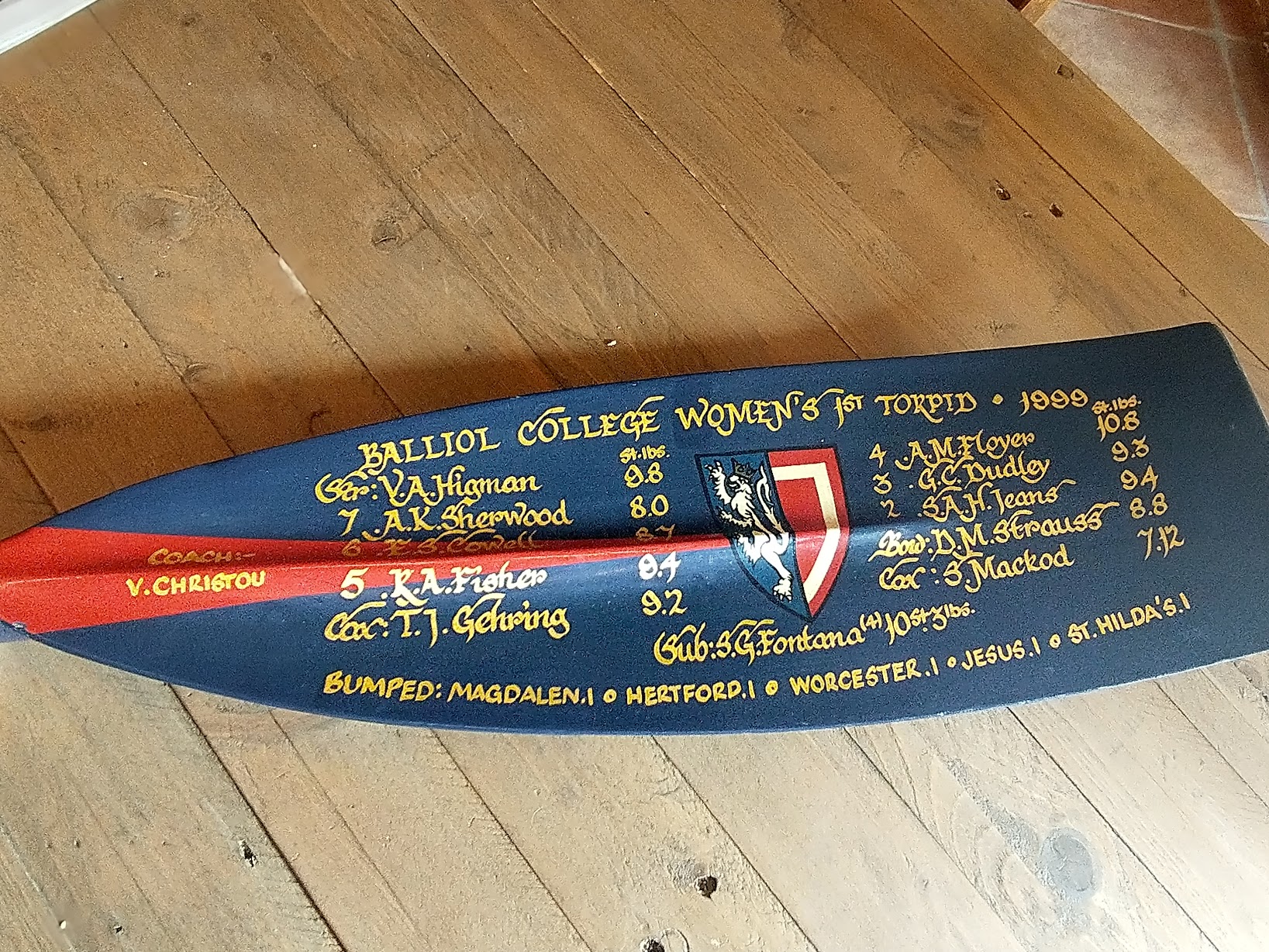
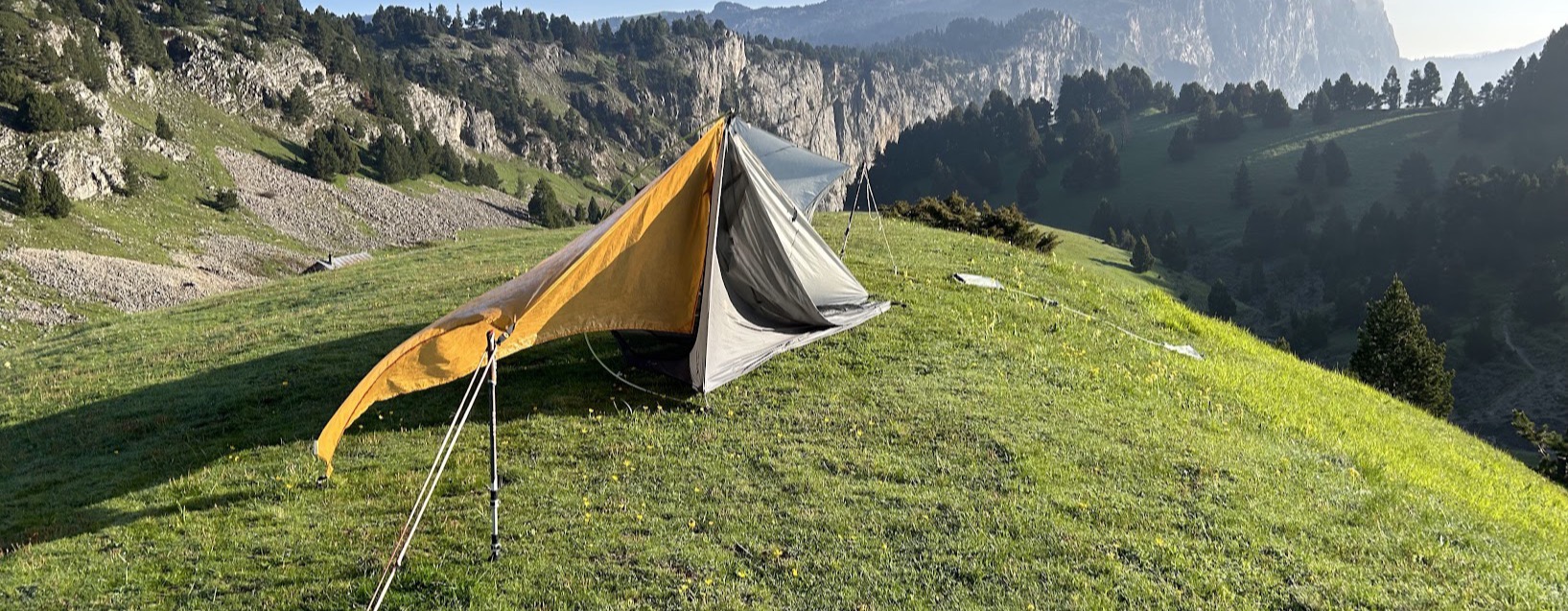
Outside of work I like cultivating wild and edible plants, latin dancing, x-country, telemark and randonnee skiing, cooking, rowing, wild camping, travelling by train, listening to Radio 4 comedy, swedish-finnish pop music, repainting bits of my wooden house, occasional triathlons, and running or cycling as far into the mountains as my uncooperative hips and eyes (see below) will allow.

Diversity
I think the world would be a better place if we all shared more of our challenges with each other, so with that in mind:
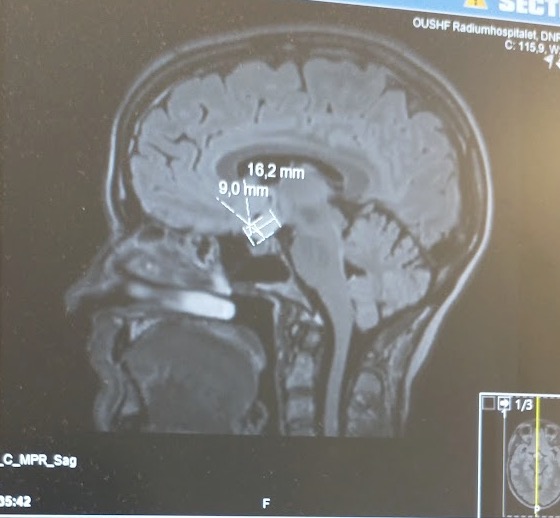
I am partially sighted: In 2020 I discovered that I have a rare and inoperable type of benign brain tumor that presses on my optic nerves, and so I can only use about 40% of my visual field. So when I say your fonts are too small, I really do mean it. So far it has been kept in check via the magic of science.
I am also partially deaf: I inherited a gradual hearing loss that became noticeable in my mid-30s. I use hearing aids, although quite a lot of the time I use Apple AirPods Pro, which are much easier to track down when misplaced, which his helpful because…
I also have ADHD: which, in particular the ‘hyperfocusing’ part, has some fairly substantial upsides as a scientist, but of course it also comes with some challenges, and makes it all the more helpful to work as part of a team, and to have accomodating administators :)
Understanding and helping to coordinate the diverse talents and aptitutdes of everyone in the land modeling community and what we can all bring to the problem of understanding the future of our planet is a very important part of my professional life.